

Feature Article

Las mejores ofertas para bebés del Prime Day 2026: Productos imprescindibles para madres inteligentes

Best Baby Monitor Brands: How to Choose the Right Brand for Your Family

Nombres de niños clásicos, modernos y únicos (y sus significados)
When to Stop Using White Noise for Baby: Dependence, Readiness & Gradual Reduction
Latest Article

How to Choose a Lightweight Stroller for Travel and Everyday Use
Knowing how to choose a lightweight stroller helps parents find a model that is easy to fold, carry, store, and push without giving up comfort or safety. This article explains the key features parents should compare, including stroller weight, folding design, maneuverability, storage, recline, and travel readiness.

Choosing the Right Ride: Lightweight Stroller vs Full-Size Stroller vs Umbrella Stroller
Choosing a stroller feels overwhelming. Read our lightweight stroller vs full-size stroller vs umbrella stroller comparison guide to find exactly what fits your daily routine and travel needs.
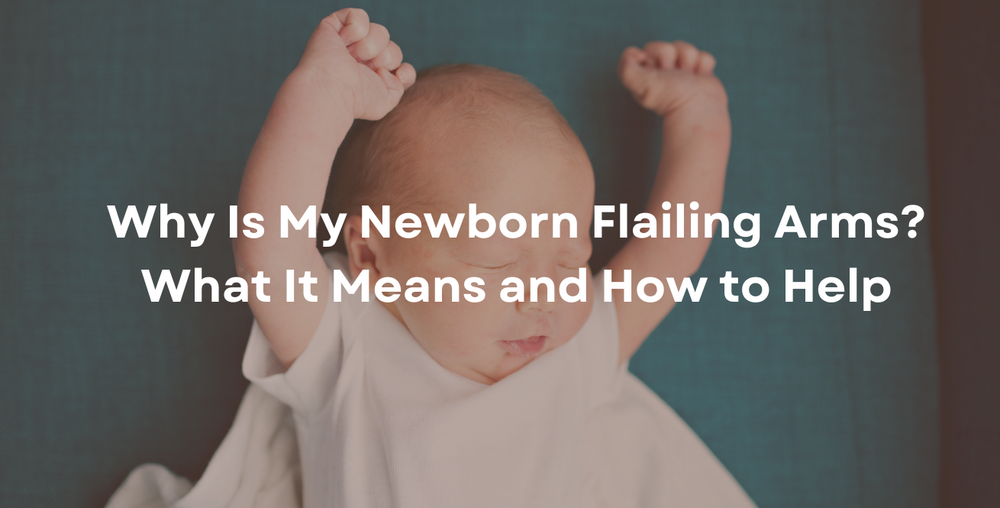
¿Por qué mi recién nacido agita los brazos? Qué significa y cómo ayudar
Los recién nacidos se comunican de una manera única y curiosa: se retuercen, realizan movimientos repentinos e incluso agitan los brazos de forma dramática. Aunque pueda parecer exagerado, en la mayoría de los casos es completamente normal. Aun así, como padre o madre, ver a tu pequeño mover los brazos con fuerza y llorar puede resultar desconcertante o incluso preocupante. ¿Cuál podría ser la razón de estos movimientos bruscos? ¿Siente alguna molestia? ¿Podría ser señal de algo más? En este artículo te ayudaremos a entender este comportamiento para que puedas responder con calma y seguridad. Hablaremos de todo, desde los reflejos del recién nacido hasta los casos en que podría indicar algo más serio, además de estrategias y herramientas para ayudar a que tu bebé se sienta más relajado y tranquilo. ¿Cómo se ve la agitación de brazos en los recién nacidos? La agitación de brazos en los recién nacidos generalmente se ve como movimientos bruscos y repentinos de los brazos. Puede que notes que tu bebé: Extiende los brazos de repente Mueve los brazos en el aire sin control Agita los brazos mientras llora, se alimenta o se queda dormido Separa los brazos ampliamente al asustarse Estos movimientos suelen ir acompañados del reflejo de Moro, también conocido como reflejo de sobresalto. Es una respuesta normal y protectora que generalmente desaparece entre los 3 y 4 meses de edad. Sin embargo, en algunos casos, movimientos muy repetitivos o intensos podrían confundirse con espasmos infantiles, por lo que conviene observar con atención si aparecen de forma frecuente o en series. ¿Qué causa los movimientos bruscos de los brazos en los recién nacidos? Los bebés están en proceso de aprender a mover sus extremidades. Sus músculos aún están en desarrollo y la coordinación aún no es completa. Por esta razón, la "habilidad motora" de agitar los brazos es común en los lactantes. Sin embargo, para los padres, observar este movimiento puede resultar desconcertante e incluso preocupante. En este artículo, intentaremos entender los movimientos bruscos de los bracitos de los recién nacidos. El reflejo de Moro del bebé Esta es una de las razones más comunes de los movimientos repentinos de los brazos. El reflejo de Moro es una respuesta con la que los bebés nacen. Cuando escuchan un sonido fuerte, sienten un movimiento brusco o una caricia repentina, pueden extender los brazos y las piernas y luego volver a recogerlos. Es completamente normal y suele desaparecer cuando el bebé tiene entre 3 y 4 meses. Señales de hambre A veces, los movimientos bruscos de los brazos de tu bebé son una forma de decir "¡Dame de comer!". Esto puede ocurrir unos momentos antes de la hora de la toma o mientras intenta engancharse. Agitar los brazos mientras le das el pecho o el biberón suele ser una señal de hambre y de dificultad para relajarse mientras se alimenta. Gases o malestar Los gases pueden hacer que tu bebé se sienta tenso e inquieto. Si tu pequeño tiene gases, podrías notar que se mueve, arquea el cuerpo y agita los brazos al mismo tiempo. Estos movimientos repentinos son la forma en que los bebés intentan aliviar las molestias estomacales, especialmente si aún no han eructado después de comer. Demasiada estimulación Una luz intermitente, ruidos de fondo o demasiada gente alrededor pueden abrumar fácilmente a un recién nacido. Cuando tu bebé se sobreestimula, su cuerpo puede reaccionar poniéndose rígido o moviendo los brazos como una forma de liberar el exceso de energía. Esto puede manifestarse como irritabilidad, movimientos bruscos sin sentido o incluso un llanto repentino. Intentar dormir Sorprendentemente, el cansancio también puede provocar agitación. Durante el proceso de autorregulación, mientras sus pequeños brazos intentan tranquilizarse, puede que tenga dificultades para conciliar el sueño. Un bebé muy cansado suele agitar los brazos como parte de un proceso dramático previo al sueño, lo que hace que descansar sea más difícil. ¿Cómo interpretar la agitación de brazos en los recién nacidos? Tu bebé aún no puede usar palabras para explicar qué le molesta, pero sus movimientos dicen mucho. La agitación de brazos en los recién nacidos descrita por el sitio Healthy Children Organization habla de esos momentos que pueden parecer sin sentido, pero que a menudo dan pistas. Observar los detalles de cómo tu bebé agita los brazos te ayudará a descifrar la forma de comunicación que está intentando usar. El momento lo es todo Observa cuándo comienzan los movimientos de agitación. ¿Ocurren durante el cambio de pañal, después de la toma o al prepararse para dormir? Por ejemplo, si se agita después de comer, podría deberse a gases o malestar. Durante los cambios de pañal, puede ser por el aire frío o porque no le gusta estar recostado. Observa su estado de ánimo ¿Está sonriendo o balbuceando mientras agita los brazos? ¿O está inquieto, con la cara roja y llorando? Si agita los brazos pero está tranquilo, generalmente no es motivo de preocupación. Pero si el movimiento viene acompañado de signos de estrés como llanto, rigidez o arqueo del cuerpo, puede indicar incomodidad o sobrecarga sensorial. Busca patrones ¿Tu bebé se agita de la misma manera todos los días o sucede de forma aleatoria? Los movimientos repetitivos y rítmicos pueden estar relacionados con reflejos o hábitos del desarrollo. En cambio, la agitación repentina e intensa podría ser señal de sobreestimulación o frustración. De cualquier modo, identificar estos patrones te ayudará a responder con mayor eficacia. Cuándo es probablemente normal Si tu bebé se calma fácilmente después de agitarse con un abrazo, una toma o una máquina de ruido blanco, probablemente se trate solo de uno de esos comportamientos curiosos de los recién nacidos. A medida que su sistema nervioso madura, estos movimientos se volverán más suaves. Cuándo podrías necesitar intervenir Sin embargo, si la agitación se vuelve frecuente y también tiene dificultades para alimentarse, dormir o calmarse, puede ser momento de intervenir con suavidad. Prueba técnicas relajantes como mecerlo lentamente, usar ruido blanco o establecer una rutina tranquila antes de dormir para ayudar a su sistema nervioso a relajarse. Y si tienes dudas, una rápida consulta con tu pediatra puede darte tranquilidad. ¿Qué hacer si tu bebé agita los brazos? Si tu recién nacido agita los brazos y eso interrumpe su sueño, su rutina de alimentación o su tranquilidad en general, aquí tienes algunas cosas que puedes probar: Envuelve a tu bebé Envolverlo ayuda a limitar los movimientos bruscos de las extremidades y le da una sensación de seguridad. Usa una manta suave y transpirable, dejando espacio suficiente para que sus caderas se muevan libremente. Crea una rutina relajante Un baño tibio, luces tenues y un suave balanceo pueden indicarle a tu bebé que es momento de relajarse. Esto reduce la sobreestimulación y prepara su cuerpo para un sueño más reparador. Pon ruido blanco suave La máquina inteligente de ruido blanco para bebés Momcozy reproduce suaves nanas y ruido blanco que imitan el ambiente del útero. Ayuda a calmar al bebé y a reducir los movimientos involuntarios, especialmente a la hora de dormir. Además, se controla desde una app, para que puedas ajustarla sin despertarlo. [product_shortcode_1] Sostenlo de lado Algunos bebés se calman más rápido cuando se les sostiene de lado, apoyados sobre tu pecho. Esta posición ayuda a reducir el reflejo de Moro del bebé y le brinda una sensación de cercanía y consuelo. Ofrécele un chupón Si tu bebé usa chupón, ofrecérselo puede distraerlo y reducir la agitación al satisfacer su necesidad de succión. El aspirador nasal Momcozy para bebés está diseñado para eliminar el moco de manera suave y eficaz, ayudando a que tu bebé respire mejor y se relaje, reduciendo así los movimientos innecesarios causados por la congestión. Responde temprano a las señales de sueño Si tu bebé se cansa demasiado, la agitación de brazos puede aumentar. Detecta las primeras señales, como bostezos o inquietud, para empezar a calmarlo antes de que se sobreestimule. Más formas de ayudar a calmar los movimientos de brazos Si los movimientos de brazos de tu recién nacido parecen intensos u ocurren con frecuencia, no te preocupes: aquí te mostramos otras formas de calmarlos suavemente. Introduce rituales relajantes antes de dormir Establece una rutina específica que le ayude a relajarse antes de la siesta o al final del día. Un baño tibio, un balanceo suave y caricias delicadas ayudan a calmar físicamente el cuerpo de tu bebé. Mientras tanto, la máquina inteligente de ruido blanco para bebés Momcozy puede ayudar a suavizar los movimientos reflejos de los brazos de tu bebé con sus suaves sonidos relajantes. Prueba a sostenerlo de lado Mantener la cabeza de tu bebé apoyada en tu brazo, con su cuerpo recostado a lo largo de tu antebrazo, le brinda contención. Esta forma de sostenerlo le ayuda a sentirse seguro y protegido. Además, esta posición puede disminuir la intensidad de los reflejos de sobresalto y calmar sus brazos de manera más efectiva. Observa y responde a las primeras señales A veces los bebés agitan los brazos porque están cansados o sobreestimulados. Observa señales tempranas como bostezos, frotarse los ojos o perder la mirada. Si detectas estas señales a tiempo, podrás calmarlo antes de que comience a agitarse. ¿Cuándo buscar ayuda profesional? Siempre está bien pedir ayuda. Habla con tu pediatra si: Tu bebé mueve los brazos constantemente, incluso cuando está tranquilo Los movimientos parecen rígidos, bruscos o solo de un lado Le cuesta comer o dormir con normalidad El aleteo se acompaña de llanto frecuente o chillidos agudos Algunos de estos signos pueden confundirse con espasmos infantiles, una condición neurológica poco común que requiere diagnóstico temprano. Estar atenta a cualquier signo inusual mientras cuidas a tu bebé puede ser más fácil con el monitor inteligente para bebés Momcozy de 5 pulgadas y modo dual. Salir de la habitación y seguir vigilando a tu pequeño es sencillo gracias a la transmisión de video en HD, el control de temperatura y el audio bidireccional. Nuestra colección completa de monitores para bebé ofrece una variedad de herramientas para ayudarte a observar los patrones de tu bebé y garantizar su bienestar. Descubre una gama completa de herramientas fiables que te ayudarán a lidiar con estas interrupciones del sueño y a mantenerte conectada con tu pequeño en nuestra colección de monitores para bebés. [product_shortcode_1] Preguntas frecuentes ¿Es normal que los recién nacidos agiten los brazos? Sí, agitar los brazos es un reflejo normal en los recién nacidos y generalmente desaparece entre los 3 y 4 meses. ¿Por qué mi bebé agita los brazos mientras le doy el pecho? Puede que se sienta incómodo, sobreestimulado o simplemente esté tratando de ajustar su enganche o la posición de su cuerpo. ¿Por qué mi bebé mueve los brazos cuando intenta dormir? Esto suele deberse al reflejo de sobresalto (reflejo de Moro) o al cansancio excesivo. Envolverlo y usar sonidos relajantes puede ayudar. Conclusión Para tu recién nacido, la vida fuera del útero puede ser abrumadora y completamente nueva, lo que explica en parte los movimientos de sus brazos. Responder con medidas suaves como mecerlo lentamente, usar máquinas de ruido blanco o adoptar posiciones específicas para sostenerlo puede ayudar mucho a calmarlo en las primeras etapas. Si algo no se siente bien o si los movimientos bruscos de brazos de tu recién nacido no disminuyen con el tiempo, no dudes en consultar a tu pediatra. Cada bebé es único, y tú estás haciendo lo mejor para cuidarlo, consolarlo y entenderlo. ¡Lo estás haciendo genial!
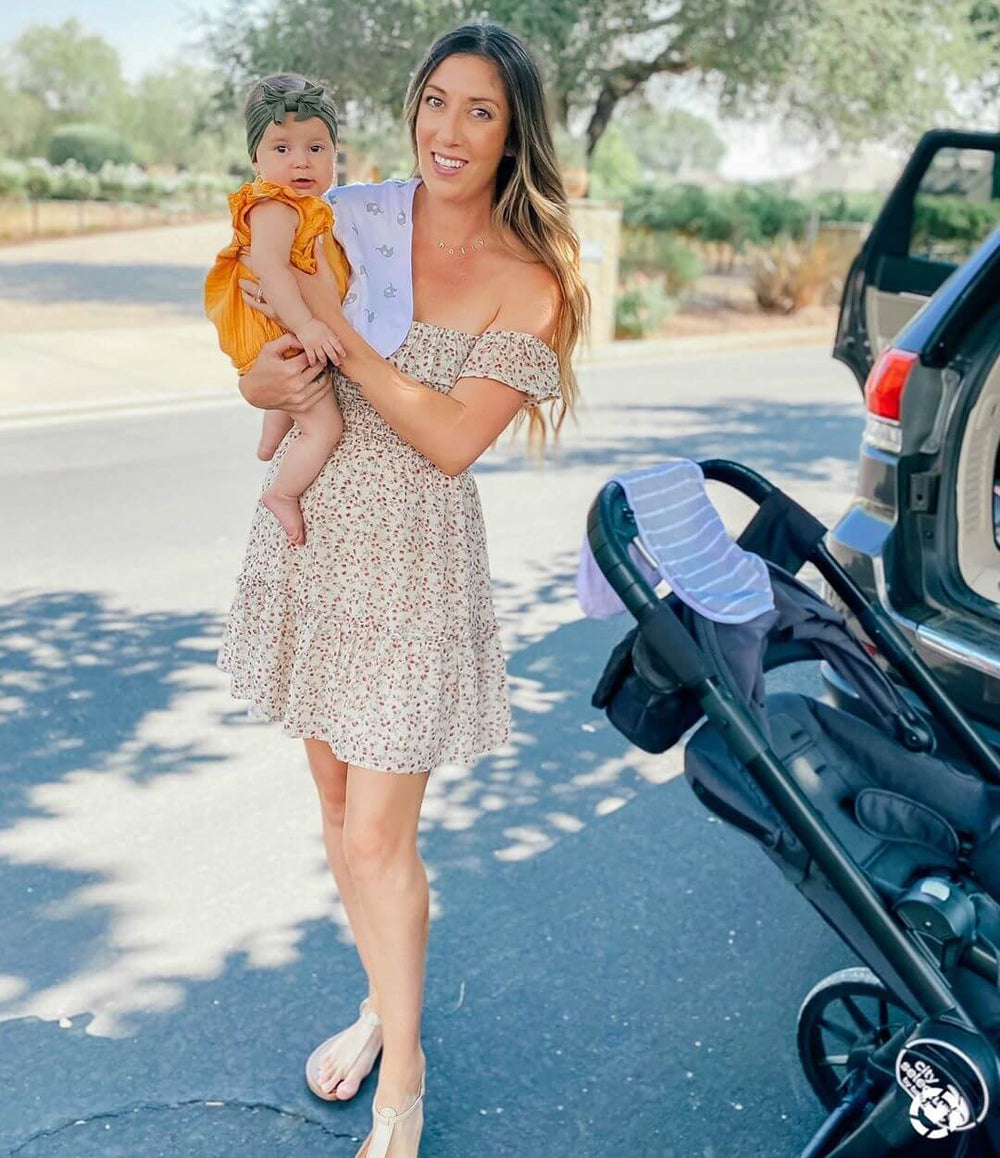
10 Things To Remember When Taking Your Baby Shopping
Being a parent is a full-time job. There is so much that needs to be done that one can easily become forgetful. This is why you must create a checklist when taking your baby out.A baby carrier is honestly the best shopping companion — your hands stay free for the cart, and baby stays happier than in a bulky infant seat. This will ensure you have all the items you need to take care of your baby anywhere. Here is our list of ten things you need to remember when taking your baby with you for shopping. #1. Diapers This is a no-brainer. A diaper is a must whenever you are traveling with your baby outside, be it shopping or anywhere else. If you are wondering how many you should be carrying then a good rule of thumb is to carry one for every hour you will be out. This will provide you with enough diapers for the time you are out. However, you can carry a few extra more as well just to be on the safe side. This way you will have enough if you decide to stay out for longer than you intended to. #2. Changing Pad Of course, when you are carrying diapers you will also need something where your baby can lie down and you can easily change the diaper. If you have a diaper bag that has a changing pad then you don’t need to worry about anything. However, if your diaper bag doesn't have one in it then you need to get a portable changing mat to easily carry anywhere. This way you will be able to change your baby's diaper anywhere, no matter the place. #3. Baby Burp Cloths And Wipes Baby burp cloths are an essential item to clean up your baby whenever need be. They can be used to wipe sneezes, milk dribbles, and anything else that your baby spits up. This is why you must invest in the best burp cloths that are extremely soft and absorbent. Such a cloth will not be harsh on the baby’s skin and soak up anything your baby spits out. Apart from that, wipes are also important in cleaning a baby after they have pooped in their diaper. Carrying both these items will keep your baby clean anywhere. #4. Bottled Milk Whether you feed your baby formula or breast milk doesn’t matter. You have to ensure the milk is stored in a spare bottle when you go out. This is because you can’t possibly feed your baby the whole time. You will be busy doing your stuff or there may not be a proper place where you can sit down and feed your baby in peace. This is why you must carry a spare bottle of milk to feed your baby whenever they are hungry. #5. Disposable Bag You will need such a bag to throw away all the diapers and wipes while you are outside your baby. You can’t simply throw this dirty stuff anywhere or keep them in your bag as they will ruin the clean stuff. You can carry any sort of disposable bag to keep the dirty items. Many people make use of ziplock bags to store such things while they are carrying their babies outside. Just make sure that you don’t mix the dirty stuff with clean stuff and you will be good. #6. Toys While you are shopping and having fun, your baby may get easily bored. This can cause them to be fussy and hinder your shopping experience. To make sure this doesn’t happen you need to keep your baby engaged so they are also busy doing something. The best way to do this is by carrying their favorite toys with you when you go out. This way if they get bored or fussy you can easily provide them with that so they can play and you can shop in peace. And to make your shopping trip even more enjoyable, a travel stroller can make transporting your baby around the store smooth and comfortable. #7. Extra Clothes So, you may be wondering that if you have diapers, wipes, and baby burp cloths you will not need extra clothes because you have everything you need to keep your baby clean. However, it never hurts to have a backup plan. While you are busy shopping your baby can easily soil themselves or vomit on their clothes and then you will have no way to fix this problem. This is why you must carry clothes. You can clean the baby with the wipes and then change their clothes so they are comfortable again. You can then also store the soiled clothes in the disposable bag. After all, being a parent is all about being prepared for anything and everything. #8. Pacifier Sometimes babies can be too full to eat or are not hungry at all but they can still be fussy. This is because they find sucking comforting and tend to get irritated if they don’t get it. This is why you must carry a pacifier. If your baby is crying or fussy and they don’t need food then a pacifier will do the trick of keeping them calm and quiet! #9. Blankets Even if it is not cold outside, you still need to carry a blanket as it can serve other purposes. For example, if it is too sunny then you can use the blanket to protect your baby from the harsh sun. Just make sure you carry a blanket according to the season. If it is cold out then carry a warm blanket and if it is hot out then carry light and soothing blanket. #10. Snacks While taking care of the baby, you may get hungry and need something to give you the energy you need. This is why with the baby’s things always keep snacks for yourself so you can always recharge yourself if you ever feel exhausted or tired! Final Words This is our top ten checklists for everything you will need when you are out with your baby, be it shopping or anywhere else. Just don't forget to pack baby burp cloths as they serve many purposes and can be a life-saver when it comes to keeping you and your baby clean. With this list, you and your baby will be good anywhere and everywhere!

Hitos del desarrollo de un bebé de 2 semanas: qué esperar en esta etapa
Cuidar a un bebé de dos semanas puede resultar abrumador, pero comprender sus necesidades ayuda. Desde los patrones de sueño hasta las señales de alimentación, esta guía ofrece consejos prácticos para apoyar con confianza el crecimiento, el bienestar y el desarrollo tempranos de tu recién nacido.
5 Essential Safety Items For New Parents
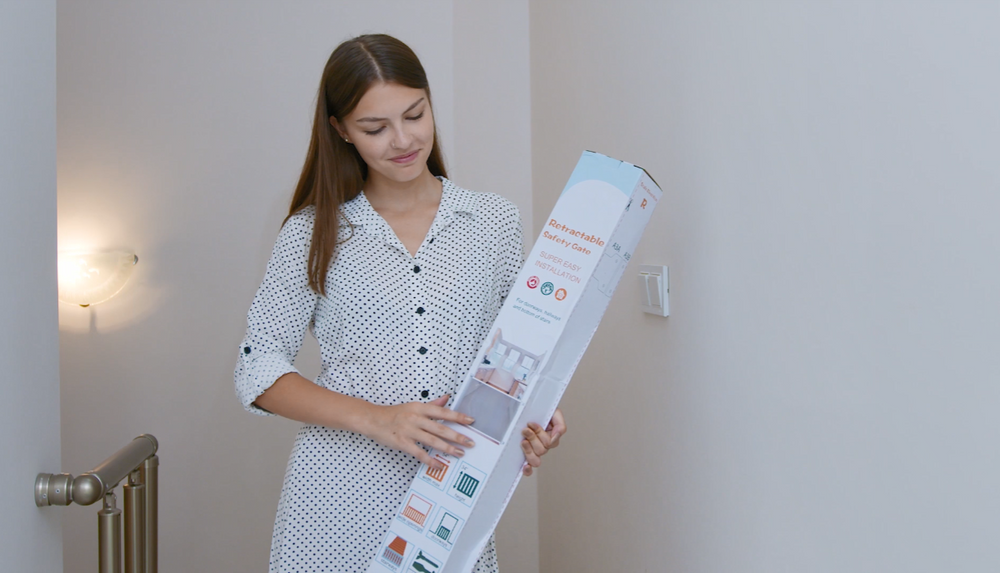
Are you new to parenting? You must then be concerned about all the things you need to do to keep your infant safe. As you welcome your child into your home, you want to ensure that everything is taken care of when it comes to their safety. Luckily for you, there is a range of safety items available for you to make use of to keep your baby safe. Let's take a look at what these are.A well-tested baby carrier earns its place on your essential safety list by keeping fragile newborns in a supported, ergonomic position at all times. Why Are Safety Items Essential? Before we can move on to what safety items you must have, you should know the importance of keeping them in your home. As new parents, you want to make sure that you have taken care of every possible thing before your child arrives into this world. Therefore, making sure that you have the right safety items present in your home is also essential to this. Safety items ensure that your child doesn't suffer from any injuries and remains safe, away from harm. That is one of the most important goals of every parent- to keep their child safe. This is where safety items come into play. They help make sure that your child stays safe to a great extent and allow you to worry less about having your child in the home without proper supervision. Safety items give you a sense of relief and allow you to take care of your child better than just stressing about how you need to keep your child safe at all times. They are convenient and allow you to keep your baby safe around your home without worrying excessively. 5 Safety Items For New Parents Now, let's take a look at five of the most critical safety items you need to keep in your home. As new parents, you want to make sure that you invest in each of these items so that you can keep your child safe and away from as much harm as possible. 1. Baby Monitor The first one we have is the 1080P High - Performance Video Baby Monitor BM01. Most of the time, babies sleep in their own rooms, in their cribs. However, you're not always going to be sitting next to their crib at all times. If you do, then how will you get all the other work done? While your baby is your most significant responsibility, you still have other things to look at. So, you will have to move around the house and be away from your baby from time to time. One thing that can help you keep your baby safe and know what's going on in their room is through a baby monitor. Baby monitors are great if you wish to know what's going on with your baby while you're parted from them. So, it is best to get one as soon as possible as you prepare your home for your infant's welcome. Doing so will allow you to see and hear whether everything is alright with your baby without having to be next to them at all times physically. 2. Baby Safety Gates Next, we have baby safety gates. These are highly essential since you want to make sure that your baby doesn't injure themselves once they reach crawling or walking ages. Since children are curious, they always try to do risky things. One of the main things that they really like doing is running up and down the stairs. To avoid any possible injury, you want to make sure that you install a baby safety gate for stairs. This will give you some peace of mind since you will know that your child will not be able to run down the stairs and hurt themselves since there is a good system in place. Safety gates are crucial once your baby reaches the crawling age, so it's best to make sure that you have these installed beforehand. 3. Locking System We have already established that babies are extremely curious. So, you will find them always getting into places that they shouldn't be in. The best thing for you to do is to make sure that the locks in place are highly effective. By getting a sound locking system installed, you will be able to make sure that your baby stays out of the places that they shouldn't wander off to. One of the main things you will need to lock in your home is your home office, if you have one, and the kitchen. You don't want your child in areas that could potentially harm them. A properly planned out locking system will ensure this for you. 4. Edges And Corner Guards You will also need to be extremely careful about all the edges and corners present in your home. It is impossible to get rid of everything around your home for your baby. But the great thing is that you don't need to. All you really need are some guards to keep them from harming your baby. You will need to do all the preparations for this before your baby comes home, though. Speaking of preparing for your baby's needs, a lightweight stroller can also be a great addition to your home, especially for outings or daily walks, ensuring your baby’s safety while out and about. A baby swing provides soothing motion that helps calm your little one, making it a must-have for both naps and playtime. With adjustable settings and a comfortable design, it ensures safety and relaxation for your baby while giving parents some much-needed hands-free moments. Once you bring your baby home, it won't be easy to manage all of these things. So, it is best to make sure that you add edge and corner guards to all the places where it is necessary. 5. Outlet Plugs Lastly, one of the things that babies love getting into is plugs and sockets. You don't want to put them at any risk because it can result in very serious damages. One of the best things you can do for your baby is to get outlet plugs. This will allow you to cover all the sockets and keep those small fingers out of them. Getting this is highly essential as it will surely keep your baby safe from any kind of electrical injuries. Make a list of all the safety items that you need to bring to your home so that you can keep your baby safe. Incorporate these items into your list to have all the essential safety things you need as a new parent.
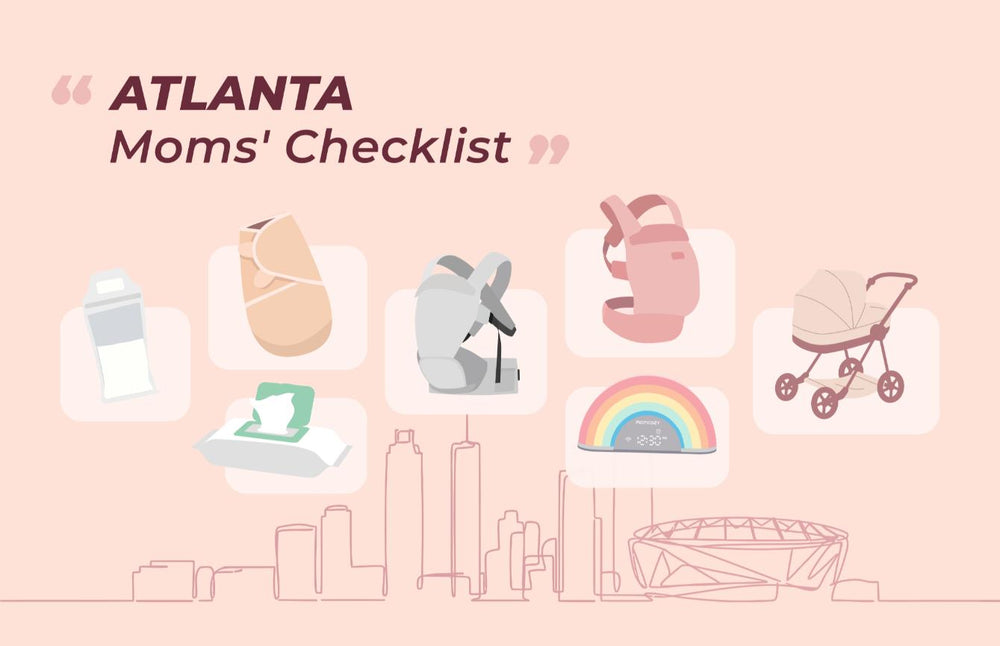
Atlanta Moms’ Baby Checklist: Nurturing Newborn Care with Family Support
Atlanta newborn care tips: communal feeding, predictable sleep, short walks, and accepting help for calmer, more supported parenting.

5 Baby Products You’re Going to Want on Your Registry
Tired of the endless baby registry lists? Discover five ingenious baby products that new parents often overlook but will absolutely adore. These lifesavers and game-changers will make your parenting journey smoother. Don't miss out on these must-have additions to your registry!
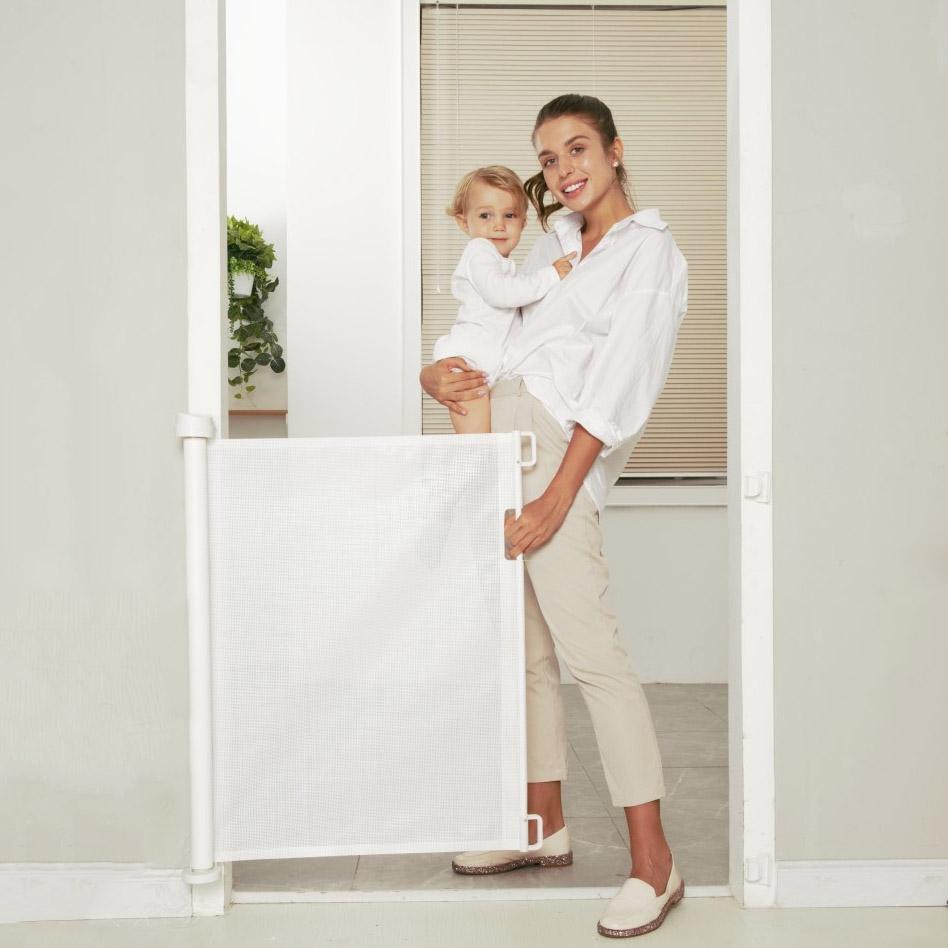
Baby-Proofing Your Home with a Baby Gate
Babies are curious creatures, and when they aren’t sleeping or eating, they're probably wandering off wherever they want. This is especially true when your baby has just started crawling, and they’re eager to get the most out of this new-found skill. You obviously can’t spend all your time chasing after your baby, but if you haven’t baby-proofed your home yet, that’s your only option. However, baby proofing your home isn’t as difficult as it may seem. As we’ll discuss below, just following a few steps such as getting child-proof gates, can help you ensure your child’s safety, as well as your mental peace.While you baby-proof room by room, wearing your explorer in a baby carrier buys you the time to do it right without losing sight of them for a second. Why is it important to baby proof our homes? Babies tend to want to investigate anything they can get their hands on. They also tend to explore everything via their hands or by putting things into their mouths. Both scenarios can be incredibly dangerous. Babies can often stick their fingers into electrical sockets, or into small spaces where their hands can either get stuck or get seriously hurt. Additionally, babies can also put dangerous things into their mouths, such as things they can either choke on or items that can make them sick. Babies can also wander around the house and end up in dangerous places such as staircases. It can be impossible to keep your eyes on the baby around the clock, especially if you have a job or other children and duties to manage. Here’s where baby-proofing comes in. This helps you ensure your child’s safety by restricting their access and enables you to focus on other tasks. How can we baby proof our home? By now, you’ll be eager to find out just how you can baby proof you home. One simple device can help solve all your issues, and that is the baby gate. A retractable baby gate is the first, and the most significant step in making sure your baby is safe in your house. A retractable baby gate, such as this one from Momcozy is the best thing to make sure your baby is safe at all times. Here are a few reasons why the baby gate is a must-have for every parent. Babies can fall down the stairs. In any home, staircases are the most dangerous places for babies to be at alone and unsupervised. Every year, many children get hurt because of falling down the stairs. In fact, stairs can be dangerous for toddlers and slightly older children as well. To ensure that your children are always safe, install a hardware-mounted retractable baby gate at the top and bottom of any staircases. The Momcozy retractable baby gate is perfect for this purpose, as its hardware mounted and won't budge no matter how hard your child tries to push it. Kids and pets need their space. Most families have both pets and children, and while both are dear to us, we don’t want our pets to hurt our kids somehow, or vice versa. When introducing young children to pets, it’s always best to do it slowly. A retractable baby gate with a mesh panel can help you do that, as the children and the pet can see each other from a distance. Both can get familiarized with each other through the retractable baby gate. Additionally, if you want to keep your pets and baby separate for a longer time, the gate can help you do that too. Limit your child’s access Children of all ages love playing outdoors, and for younger children, there can be no place better than the porch. However, younger children shouldn’t be crawling around in the yard unsupervised. If this is a concern for you, get child-proof gates. A hardware-mounted gate can be installed anywhere and can adjust to any length. Install your retractable baby gate in your porch or patio to let your child enjoy the outdoors without having to worry about them going into the yard or road. Children can climb over things. If you have used things to try to block your child’s access, you’ll know that won't ever work. Children can easily climb over things and get back to what they want. A retractable baby gate can stop your child in his tracks. The mesh panel of this gate is impossible for your baby to climb. Furthermore, the baby gate is tall enough that it can prevent even toddlers from crossing over. Some children sleepwalk. This isn’t as rare as it may seem. Most families have one member that occasionally sleepwalks, if not routinely. If that turns out to be your baby or your toddler, you can have a problem on your hands. However, if you have a baby gate installed, you can easily keep your baby from getting into any danger as they sleepwalk. Having a baby gate in such situations can help you sleep easily, as you can close the retractable baby gate and know that your baby won’t sleepwalk anywhere, he shouldn’t be. What to look for in a baby gate? As mentioned earlier, make sure that you opt for a hardware-mounted gate which can withstand a great deal of pressure. Furthermore, make sure that you get a tall enough gate that your child can’t climb over, and one that has no small holes or openings to trap your child. A retractable baby gate is the safest option, as it is also incredibly easy for you to operate, and it doesn’t look clunky. When installing the baby gate, make sure you read all the instructions, and have it secured and in place. The Momcozy baby gate is perfect for children of all ages and comes in a lovely mesh design that looks seamless. Speaking of keeping your baby safe while on the go, a travel stroller is another essential for smooth and safe outdoor adventures. The bottom line Baby proofing your home is essential for your child’s safety as well as your mental peace. Just making this one simple investment can help you rest easy, knowing that your child won’t be crawling off anywhere he or she shouldn’t be. The Momcozy baby gate offers a seamless design that will help you ensure your child’s safety at all times.
EXPERT Spotlight


Popular Pregnancy & Postpartum Tools

Baby Name Generator
A name is the first gift to your beloved baby. Find the perfect name for your baby

Pregnancy Weight Gain Calculator
Track your pregnancy weight gain and get personalized recommendations based on your pre-pregnancy BMI.

Chinese Gender Prediction Calculator
Legend has it that this ancient Chinese gender prediction chart was discovered in a royal tomb near Beijing over 700 years ago.

Due Date Calculator
Using our Pregnancy Due Date Calculator, you can estimate your due date based on your last menstrual period, conception date, IVF transfer, or ultrasound.